Restricted-access recovery guide
Garage recovery starts with access and equipment fit.
Low clearance, gates, ramps, vehicle position, mobility, and property controls can change the recovery plan. Lenders should surface known constraints before dispatch through the approved assignment channel.
Operationally reviewed by Allen T. Bloodworth II, Managing Member · August 8, 2026
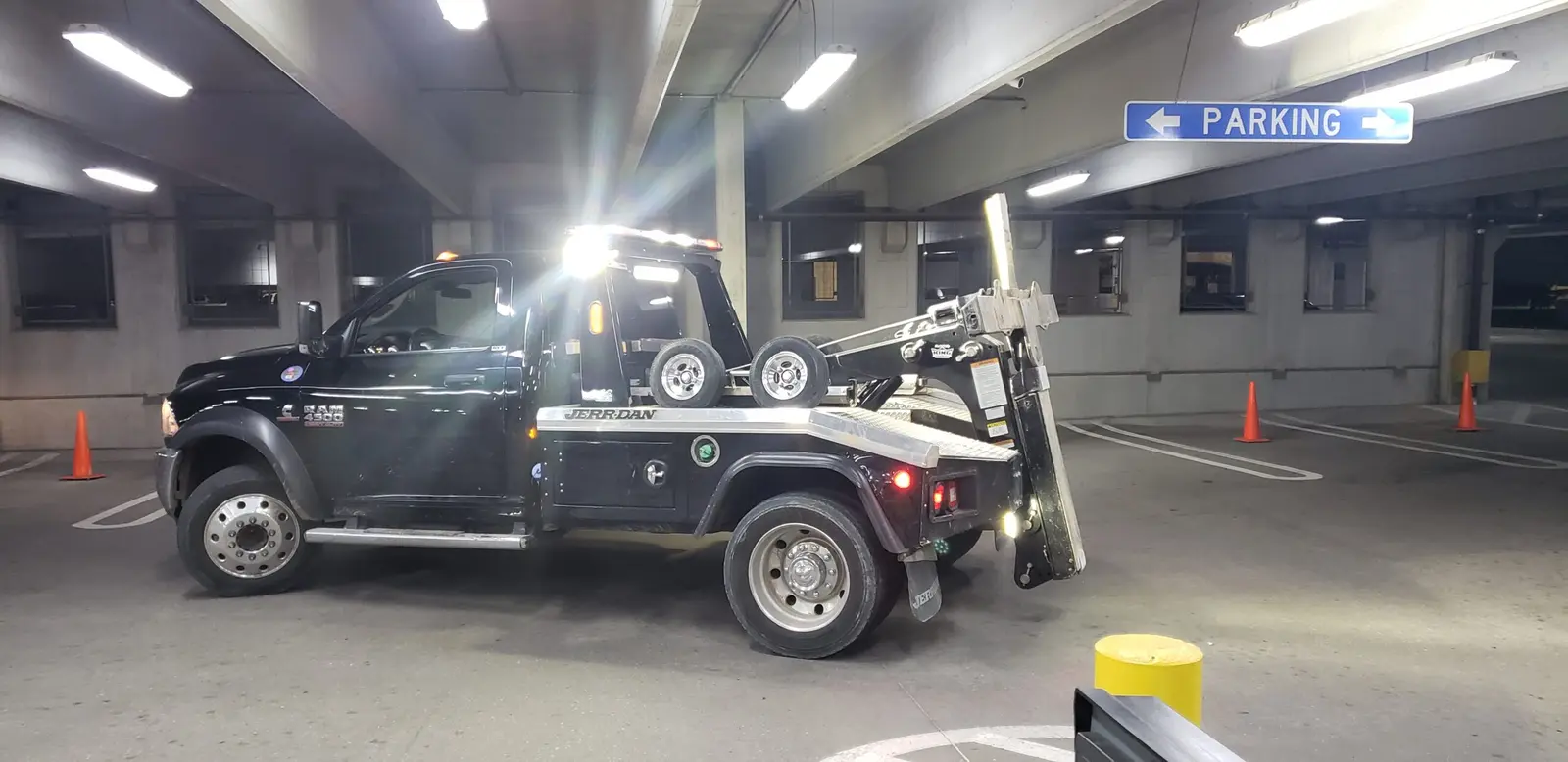
Confirm the access environment
Identify whether the unit is in a public garage, controlled residential property, commercial structure, gated lot, or another restricted setting. Note known gate procedures, hours, clearance limits, ramp geometry, and property-contact requirements through the approved channel.
Describe the collateral’s position and mobility
- Parking level and general access route
- Front-in, backed-in, blocked, or tight-side-clearance position
- Known keys or no-keys status
- Known ability to roll, steer, brake, and shift
- Flat tires, collision damage, missing components, or other visible mobility concerns
Match equipment to the setting
A garage assignment may require a lower-profile recovery approach or a staged movement to an accessible loading area. LRS confirms whether the known conditions fit available equipment before representing the file as accepted.
Keep authorization and protected details controlled
Authority, VIN, debtor information, exact location, access codes, and property-contact details belong in the approved lender channel—not a public form, public link, or general email.
Document the condition and transition
Recovery photographs, visible-condition observations, key status, custody information, and destination instructions should connect to the lender file. The documentation should describe what was observed without making unsupported mechanical or causation conclusions.
This guide explains operational planning and does not guarantee acceptance, timing, access, or recovery outcome. Contact lenders@lrskc.com with general business questions only.
Need Kansas City recovery coverage?